
I teach composting. I’m biased but I think my job is important. Dwindling resources, nutrient density, water quality, wasted food and climate change are just some of the ways composting can help. It’s a critical skill for individuals, cities and even countries, and yet composting is not a thing for most Americans.
It’s easy to ignore because it’s the back side of the cycle. Sir Albert Howard, the father of modern composting, gave us the Law of Return. It means that you can’t take without giving back in equal measure.
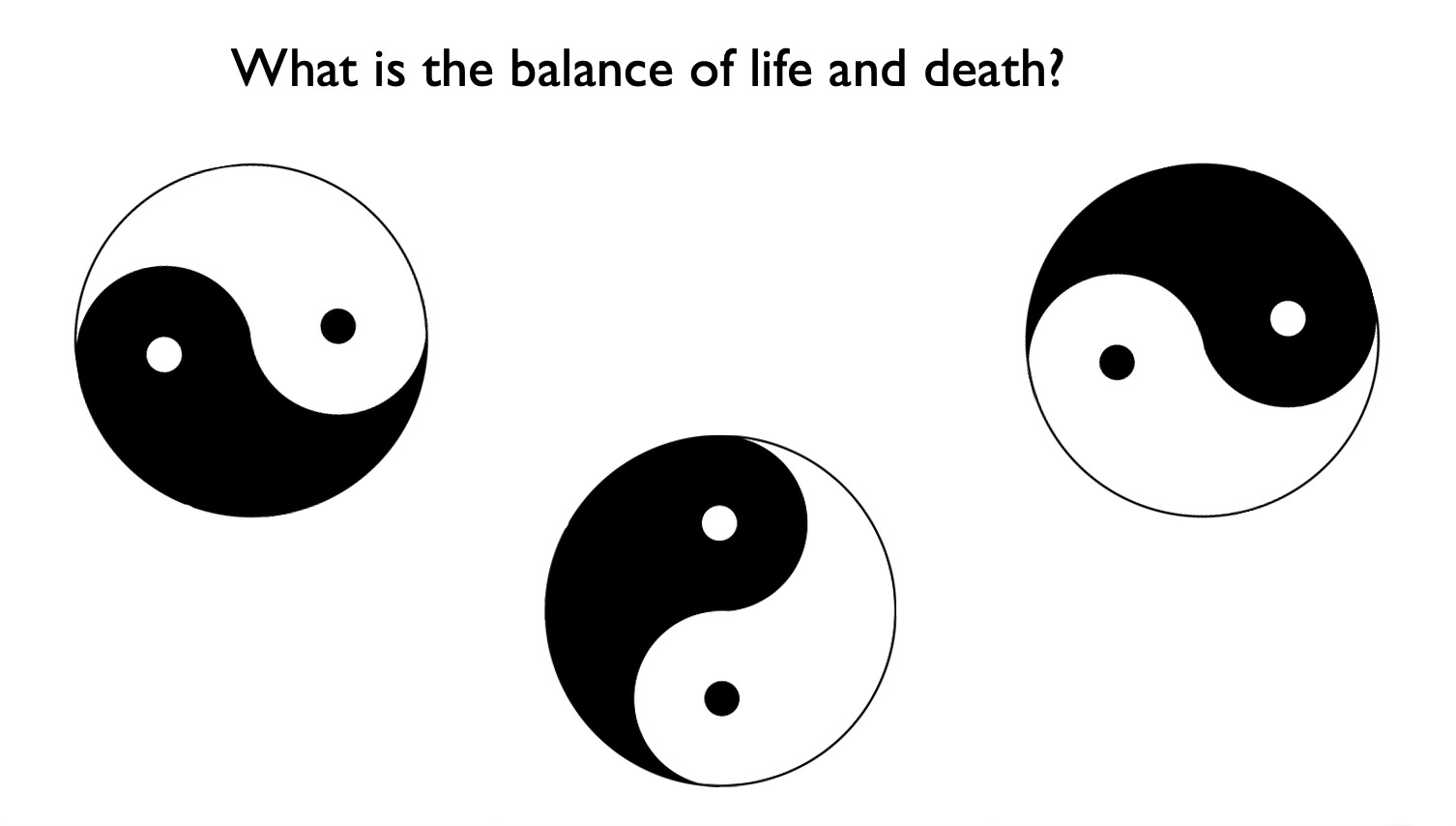
We live on the green side of the grass and it’s easy to ignore the other half of life. What’s the balance between light and dark- life and death?
It has to be 50:50. It’s been almost 100 years since Sir Albert’s law and the needle doesn’t seem to have moved at all.
I’ve often joked that I’m stuck on step A. That is, I’m always teaching Compost 101. That’s because Americans mostly ignore some rock hard truths about themselves and about life on a finite planet!
That’s a bold and damning statement but it’s objectively true. For most of us, public education never broached the topic of what it means to be alive, drawing nutrients from the Earth and leaving waste behind. As a biology teacher. I had too much to cover to get into broader truths like we’re all connected, the Earth is our mother, as you sow, so shall you reap, etc.
It’s just an accident of birth that I was born to college educated small farmers and had a diverse agricultural upbringing. Even though I piled manure in the barnyard and spread it on our gardens and fields, (Remember, if you don’t have a manure spreader, then you are the manure spreader) it was not a given that I would become a compost advocate.
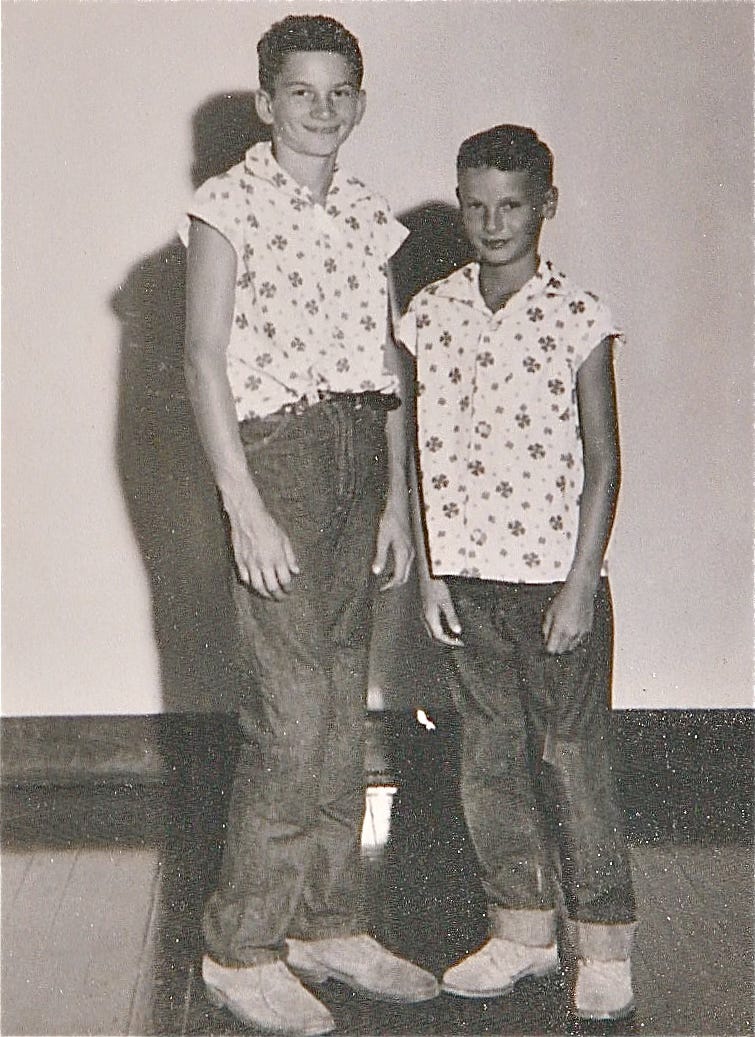
My boomer classmates and I grew up in the 50’s and 60’s. We had a closeness to the farm (our grandparents were largely rural) and the idea of connection to the land and nature was not so distant.
The generations since the early boomers have had fewer rural memories. To compound the problem, the rise of consumerism and corporate food have created a new normal where a connection to the cycles of life are drifting away in the fog.
AND YET…
I feel less alone every day because I see young adults who watched Captain Planet, Jane Goodall, and the Wild Kratt’s as kids showing up for urban agriculture, food waste collection, healthy food, and more. It’s hard to have an accurate reading on a generation of young people and no generation is a monolith, but I have been wrong about the trend. I wasn’t watching TV and I guess those broadcast environmental ethics sunk in at least for some.
Maybe the emptiness of mainstream culture has young people increasingly looking for real food, real connection, real life. I’ve seen them in surprising numbers lately. Maybe like the hippies of the 60’s, young people think green is cool.
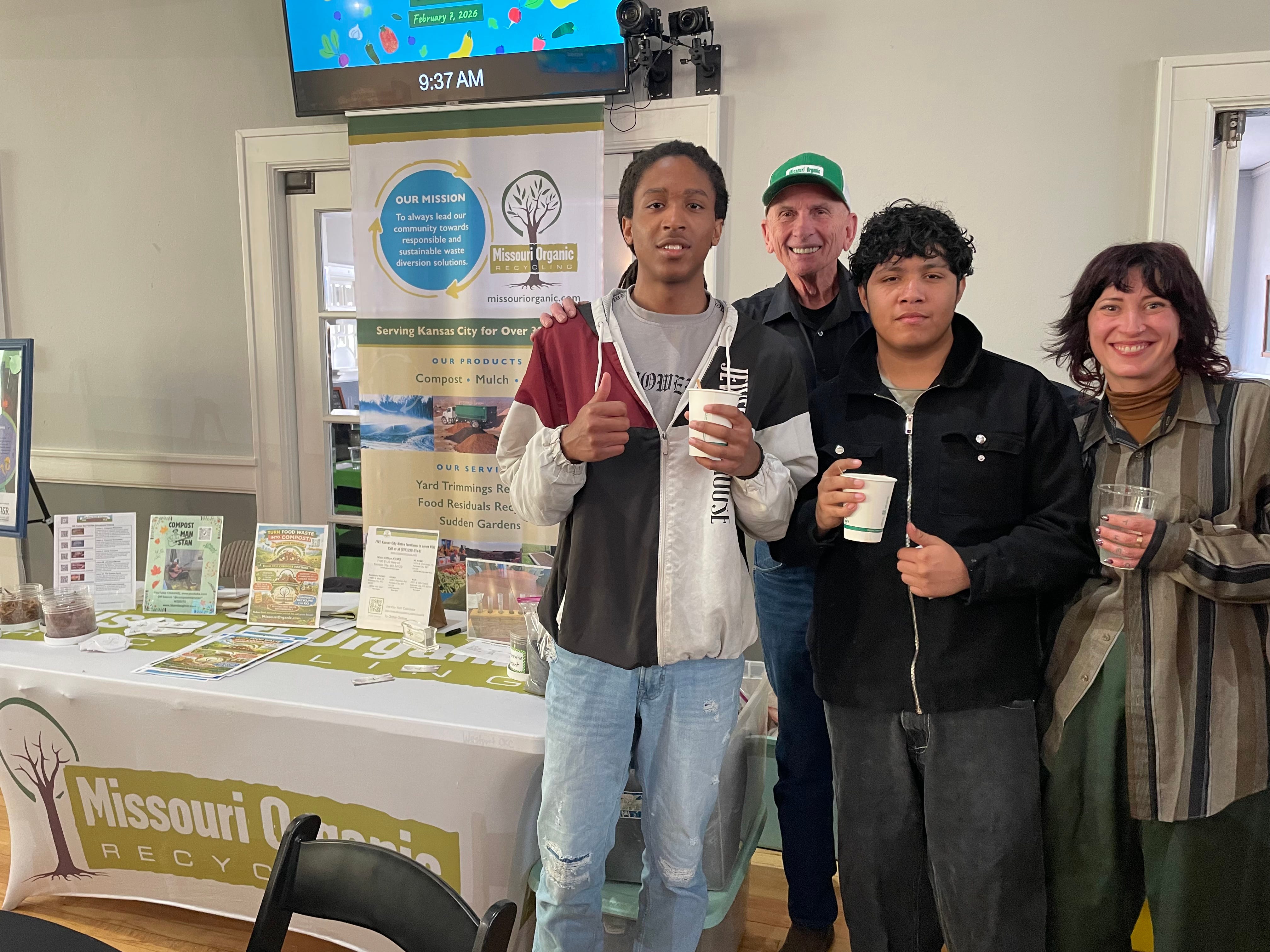
Corporate media and food won’t say it, but the kids know it. The game is rigged. Food is about profit in America not nutrition. As a result, composting is having a moment. Even smaller towns are encouraging backyard composting. Bucket swaps for food waste collection are growing. This is exciting because learning to compost connects you to a whole host of environmental topics. Composting is like a mantra, every action is a way of saying, “I Care.”
To succeed you must get elemental. Earth, water, fire, and air will synergize your successful pile. Like the compost, you will be transformed! You will go to the farmers market to get healthy food. You’ll grow some yourself. You’ll make friends with the charismatic farmer who cares so much.
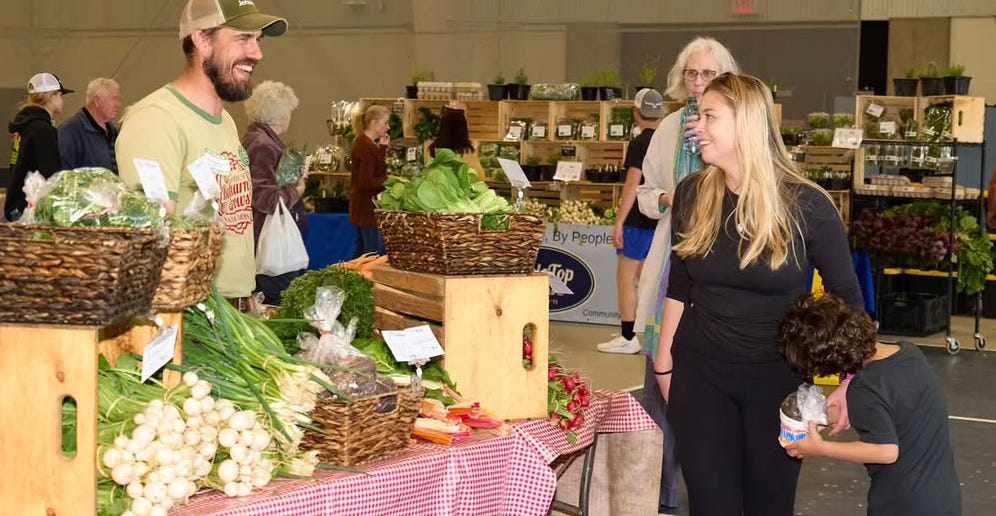
You’ll taste delicious, nutritious food and feel more alive. You’ll buy some high quality compost for your backyard garden.
Maybe the turnaround was inevitable.
I often felt alone on the road teaching composting, so I didn’t see the shift coming. I’m glad I’ve lived long enough to see 54 farmers markets in the Kansas City Metro, to see the multiple nonprofits training gardeners and a regional food hub with an annual sales of over $1 million.
I’ve taught Compost 101 for 35 years but this spring I’m booked for more and larger venues. The organizers are asking for specific programs. This week a former student (from 1971) who leads a soil health study group asked for an advanced class on composting. I gave them a 90 minute slide and musical lecture titled Compost 501! My young dentist remembered one of my compost songs from a middle school assembly. We’re reaching a critical mass as the revolution I’ve advocated for so long is going mainstream. Maybe composting’s moment can be stretched into something that lasts.
Contact: Stan Slaughter @compostmanstan


