
An initiative focused on pollinator conservation and education hopes to help local economies in western Missouri by creating pollinator-friendly plantings and tourist attractions.
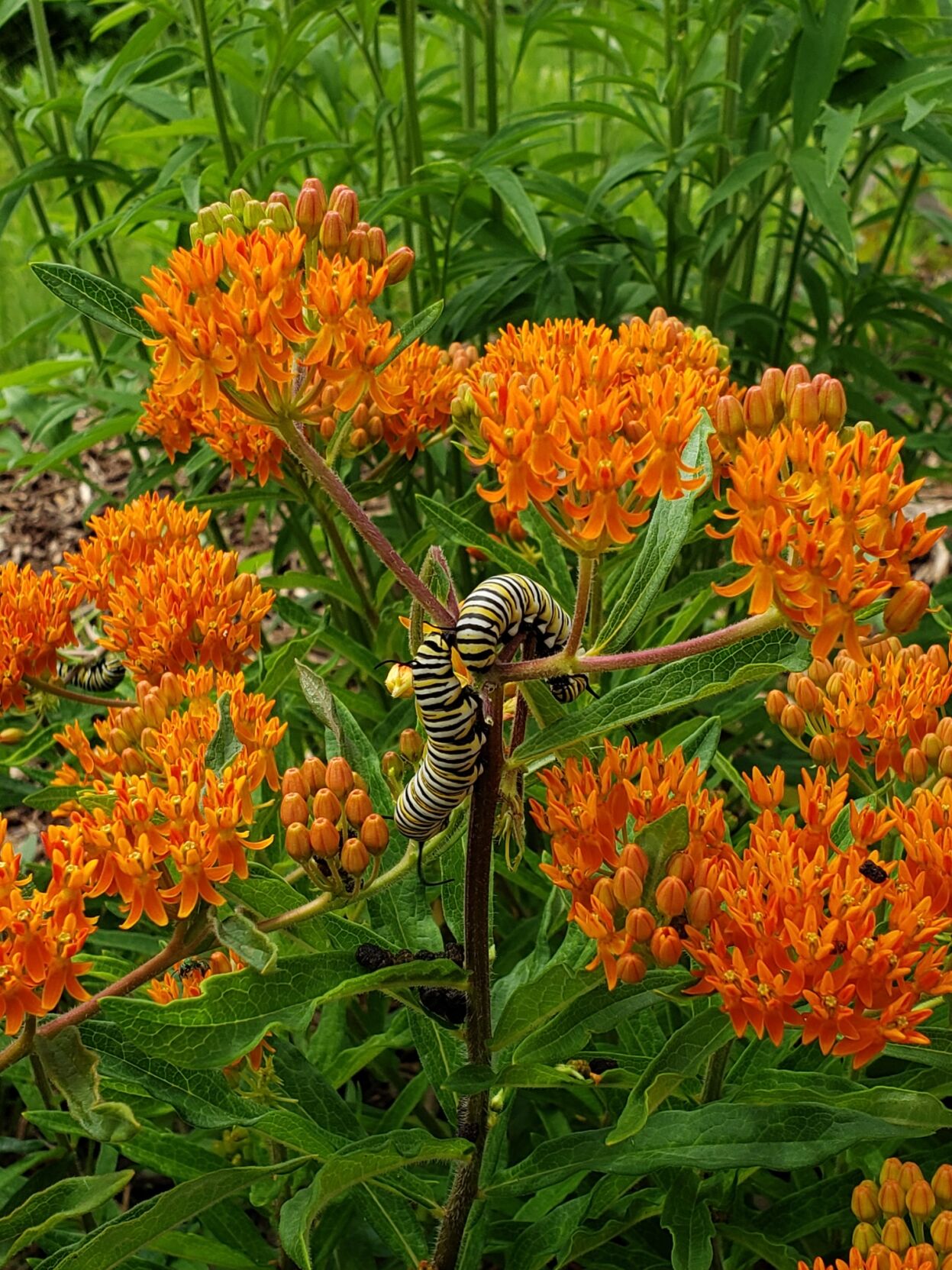
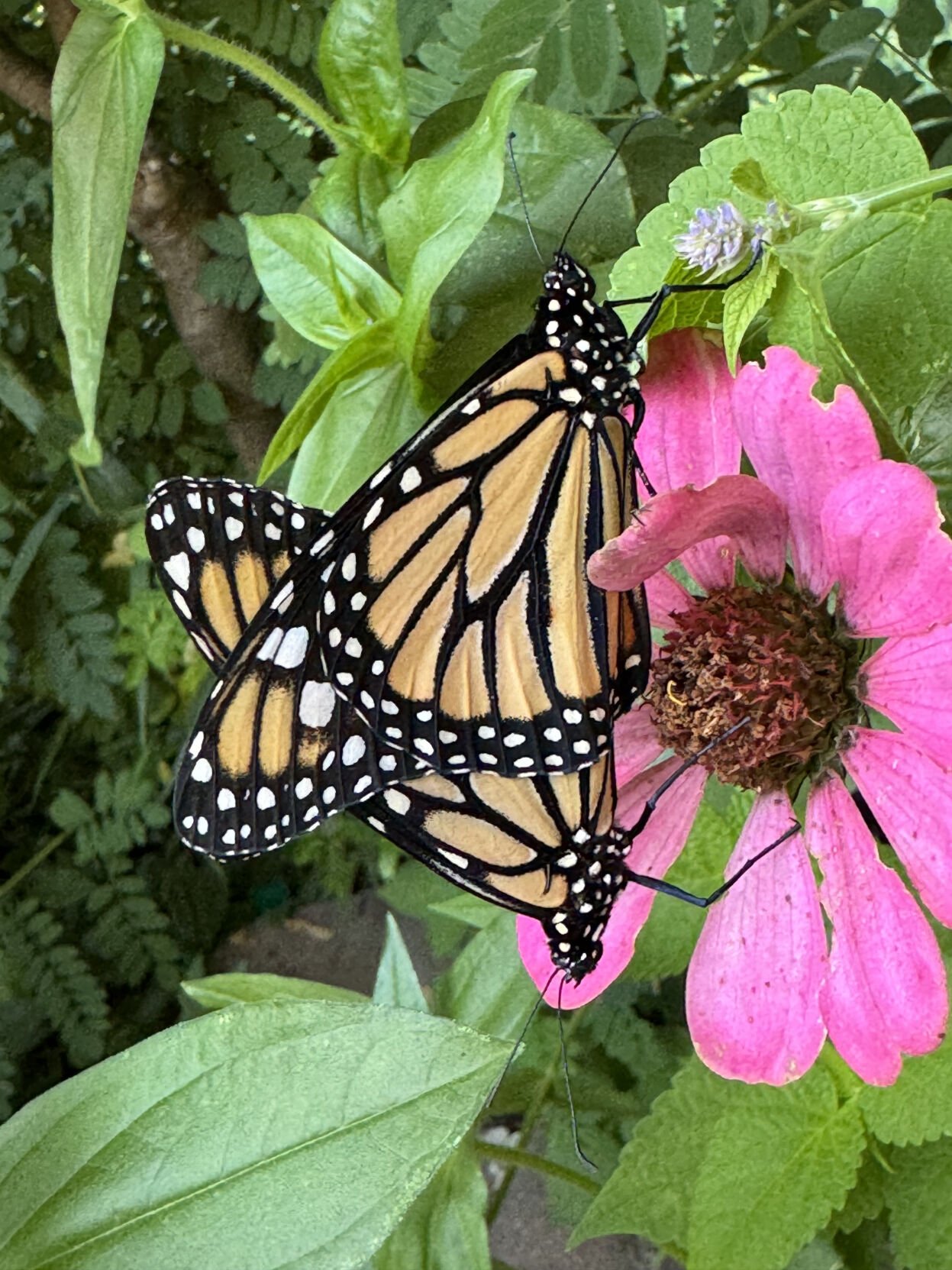
The Highway 13 Butterfly Trail will feature a 26-mile-wide, 292-mile-long corridor along Highway 13, according to a project summary report. The corridor will pass through 12 counties in western Missouri, connecting communities like Hamilton, Springfield and Branson. Though targeting all Missouri pollinators with the butterfly trail’s efforts, there will be a specific emphasis on monarch butterflies.
This comes as the U.S. Fish and Wildlife Service proposed to list monarchs as a threatened species under the U.S. Endangered Species Act in December. The original public comment period for the decision was extended to May 19. If listed, the rule will “help build on and enhance monarch conservation efforts while balancing activities in support of economic growth,” according to a press release.
The butterfly trail taps into a growing conservation trend, which supports ecological efforts and contributes to the state’s economy through ecotourism.
Conservation spending brings in over $507 million in state and local tax revenue annually, according to a report by the Missouri Department of Conservation. A 2021 report from the University of Missouri Extension found that nearly 25% of travelers visit the state for outdoor activities, including ecotourism. These conservation projects create attractive natural spaces, which draw crowds looking to enjoy nature or learn about wildlife, helping both environmental awareness and the economy.
Led by the Hamilton Community Alliance, a community interest group, the butterfly trail will feature gardens, art installations, educational centers and research facilities, according to Bob Hughes, a member of the HCA and coordinator for the butterfly trail.
“We essentially want to have each county running their own pollinator programs, with the butterfly trail being the umbrella for everything,” Hughes said. “We can provide funding and resources, we’ll coordinate signage, (we’re) working with MoDOT and with state and federal agencies.”
The project is unique in that it is a grassroots initiative spearheaded by retired individuals in rural communities, drawing on their experience in nonprofit work. The project has received about $25,000 in grant funding from the TC Energy Foundation, Hughes said. This total has been split evenly between the butterfly trail and the Hamilton Butterfly Park.
Grant funding by the Bee and Butterfly Habitat Fund has been allocated for signage, as well. The group is actively fundraising to get the project going. It hopes to raise $102,000 in 2025, $122,000 in 2026 and $150,500 in 2027, Hughes said.
“If this whole trail is successful, the amount of traffic should be significant, and it should create a lot of economic opportunity for the whole western part of the state,” Hughes said.
Although the project is still in its early stages, plans include creating interpretive opportunities with educational displays, murals, and statues, as well as providing research field sites along the butterfly trail.
“It’s just going to be a whole, total environmental and ecotourism package,” Hughes said.
LEARN MORE


